
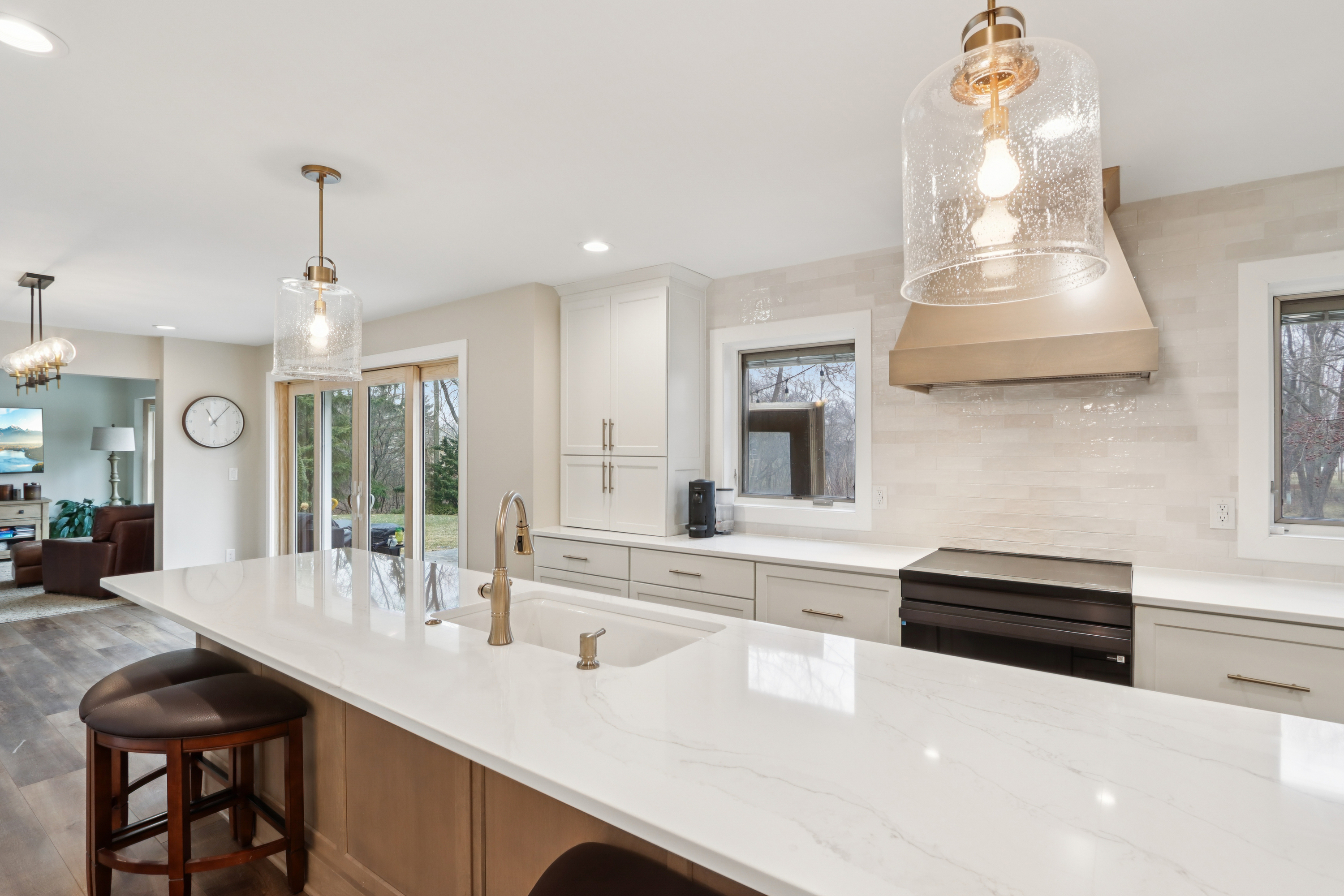
Home renovations aren’t only about improving the appearance of your home. The right upgrades can also make your home more comfortable, reduce energy waste, and potentially lower your monthly utility costs.
From replacing older windows to improving insulation and updating heating and cooling systems, remodeling projects can address areas where your home may be losing energy. Whether you’re planning a major renovation or tackling smaller improvements, energy efficiency can be incorporated into many areas of your home.
Here are some ways renovations can help improve your home’s energy efficiency.
1. Upgrade Older Windows
Older or damaged windows can allow heated or cooled air to escape while letting outdoor temperatures affect your home’s interior.
Replacing inefficient windows with modern, energy-efficient options can improve insulation and help maintain more consistent indoor temperatures.
During a window replacement project, consider features such as:
- Energy-efficient glass
- Multiple-pane construction
- Low-emissivity coatings
- Quality frames
- Proper installation and sealing
New windows can also improve your home’s appearance and reduce drafts in rooms that have historically felt uncomfortable.
2. Improve Insulation
Insulation plays an important role in maintaining your home’s indoor temperature.
If your home doesn’t have adequate insulation, your heating and cooling systems may need to work harder to maintain a comfortable environment. Adding insulation in areas such as the attic, exterior walls, basement, or other problem areas can help reduce heat transfer.
During a renovation, previously inaccessible areas may become easier to reach, making it an ideal opportunity to evaluate and improve insulation.
3. Seal Air Leaks
Small gaps and cracks around your home can add up to significant energy loss.
Common areas where air may enter or escape include:
- Windows and doors
- Electrical outlets
- Plumbing penetrations
- Attic access points
- Foundation walls
- Utility penetrations
- Gaps around trim
Sealing these areas during a remodeling project can help prevent conditioned air from escaping and outside air from entering.
4. Upgrade Exterior Doors
Just like windows, exterior doors can contribute to drafts and energy loss.
If your exterior doors are old, damaged, or poorly sealed, replacing them with more energy-efficient models can improve your home’s comfort.
Proper installation is just as important as the door itself. A professionally installed door with appropriate weatherstripping and sealing can help minimize air leakage around the frame.
5. Replace Outdated Siding
Siding is primarily designed to protect your home from the elements, but an exterior renovation can also provide an opportunity to improve energy performance.
When replacing siding, your contractor may be able to incorporate additional insulation or a weather-resistant barrier beneath the new exterior materials.
Improving the exterior envelope of your home can help reduce heat transfer and provide better protection from Wisconsin’s changing temperatures.
6. Upgrade Your HVAC System
Heating and cooling account for a significant portion of a home’s energy use.
If your furnace or air conditioning system is outdated or inefficient, replacing it with a modern, high-efficiency system may reduce energy consumption while improving indoor comfort.
HVAC upgrades can be especially effective when combined with improvements to insulation, windows, and air sealing. A more efficient system will perform better when your home’s building envelope is properly sealed and insulated.
7. Consider Energy-Efficient Lighting
Lighting is another area where relatively simple improvements can reduce energy consumption.
Replacing older incandescent bulbs with LED lighting can use significantly less electricity and provide longer service life.
During a renovation, you can also rethink the entire lighting plan. Strategically placed recessed lighting, under-cabinet lighting, task lighting, and dimmers can provide the illumination you need without relying on excessive fixtures.
8. Choose Energy-Efficient Appliances
Kitchen and laundry renovations provide an opportunity to replace older appliances with newer, more efficient models.
When selecting appliances, look for energy-efficiency ratings and consider how the appliance will fit into your household’s daily routine.
Energy-efficient refrigerators, dishwashers, washing machines, dryers, and other appliances can help reduce household energy and water consumption over time.
9. Improve Plumbing Efficiency
Renovations can also provide opportunities to improve your home’s water efficiency.
Low-flow faucets, showerheads, efficient toilets, and other plumbing fixtures can reduce water consumption without sacrificing everyday functionality.
If you’re remodeling a bathroom or kitchen, discuss water-efficient options with your contractor or plumber. Updating fixtures during a renovation is often easier than tackling them as a separate project later.
10. Upgrade Your Flooring
Flooring may not be the first thing homeowners think about when considering energy efficiency, but it can contribute to the overall comfort of a room.
During a renovation, you may have an opportunity to address insulation beneath floors, particularly in basements or areas above unconditioned spaces.
You can also consider materials based on the comfort and needs of each room. Properly installed flooring, combined with adequate insulation beneath it where appropriate, can help create a more comfortable living environment.
11. Improve Basement and Attic Areas
Basements and attics can have a significant impact on your home’s energy performance.
Depending on your home’s construction, improvements may include:
- Adding insulation
- Sealing air leaks
- Improving ventilation
- Upgrading windows
- Addressing moisture concerns
- Insulating rim joists
- Improving access doors or hatches
A renovation is an opportunity to look beyond the visible finishes and address what’s happening behind the walls, floors, and ceilings.
12. Incorporate Energy Efficiency Into a Whole-Home Remodel
If you’re planning a major renovation, consider energy efficiency from the beginning rather than treating it as an afterthought.
A whole-home renovation may allow you to address several areas at once, including windows, doors, insulation, lighting, HVAC, plumbing, and exterior materials.
Taking a comprehensive approach can help the different systems of your home work together more effectively.
The Long-Term Benefits of Energy-Efficient Renovations
Energy-efficient remodeling can offer benefits beyond potentially reducing utility bills.
A more efficient home can provide:
- More consistent indoor temperatures
- Fewer drafts
- Improved indoor comfort
- Reduced energy waste
- Updated and modernized spaces
- Potentially lower operating costs
- Long-term improvements to the home
Not every renovation needs to include every energy-efficient upgrade. The best approach depends on the age, construction, condition, and existing systems in your home.
Plan Your Renovation With Efficiency in Mind
A renovation is about more than what you see on the surface. The improvements made behind the walls and beneath the finishes can have a lasting impact on how your home performs.
Whether you’re replacing windows, remodeling a kitchen, finishing a basement, or completing a whole-home renovation, consider where your home may be losing energy and what improvements could make it more efficient.
Working with an experienced remodeling contractor can help you identify opportunities to incorporate energy-efficient upgrades into your project without sacrificing the design and functionality you want.
Planning a home renovation? Build energy efficiency into your project from the start to create a home that’s more comfortable, functional, and efficient for years to come.


Leave a Reply