
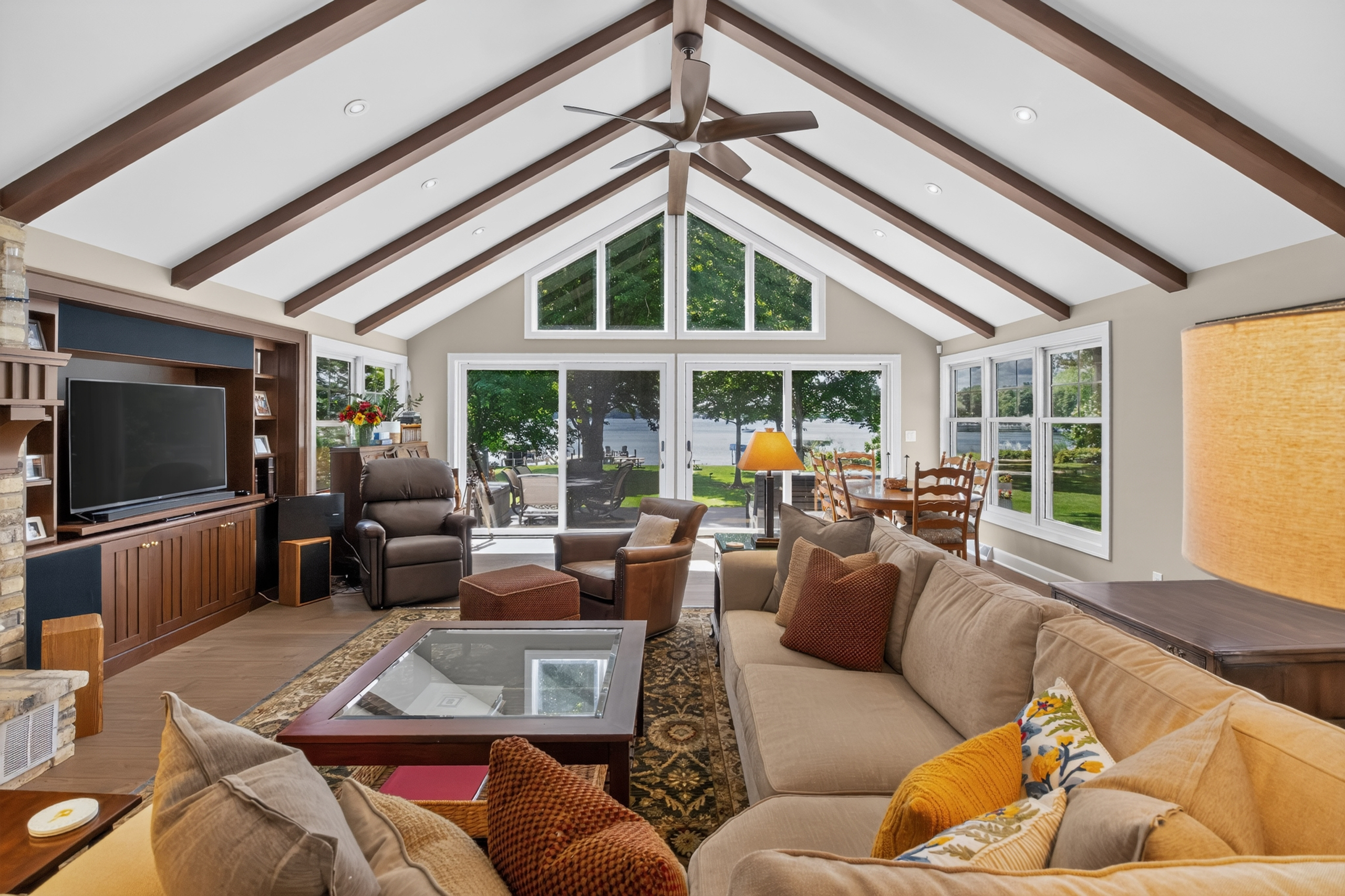
The Biggest Mistakes to Avoid During a Home Renovation
A home renovation can be an exciting opportunity to improve your space, add functionality, and create a home that better fits your lifestyle. But without careful planning, even a well-intentioned project can run into unexpected costs, delays, or design problems.
Whether you’re updating a kitchen, remodeling a bathroom, finishing a lower level, or taking on a larger addition, knowing what mistakes to avoid can help make the renovation process smoother from start to finish.
Here are some of the biggest home renovation mistakes homeowners should keep in mind.
1. Starting Without a Clear Plan
One of the most common renovation mistakes is beginning construction before the project has been fully planned. It can be tempting to jump into demolition once you have an idea of what you want, but important details need to be addressed first.
Before work begins, consider:
- The overall goals of the renovation
- Your preferred layout and functionality
- Materials and finishes
- Project timeline
- Budget and contingency funds
- Necessary permits
- How the renovation will affect the rest of your home
A well-developed plan gives everyone involved a clear direction and can help prevent costly changes once construction is underway.
2. Setting an Unrealistic Budget
A renovation budget should account for more than just the cost of materials and labor. Unexpected issues can arise once walls, floors, or ceilings are opened up, especially in older homes.
It’s smart to build some flexibility into your budget for unforeseen expenses. At the same time, focusing only on the lowest initial estimate can sometimes lead to compromises in quality or unexpected costs later.
A good renovation budget should balance your priorities, the scope of the project, and the quality of materials and workmanship you expect.
3. Choosing Materials Based Only on Appearance
The way a material looks is important, but it shouldn’t be the only consideration. A beautiful material may not be the best choice for the way your household uses the space.
For example, when selecting flooring, countertops, cabinetry, or plumbing fixtures, consider:
| Consideration | Why It Matters |
|---|---|
| Durability | Helps materials withstand everyday use |
| Maintenance | Some materials require more upkeep than others |
| Moisture resistance | Especially important in kitchens, bathrooms, and lower levels |
| Lifestyle | Families, pets, and frequent entertaining can affect material choices |
| Longevity | Higher-quality materials may provide value over many years |
Choosing materials based on both style and practicality can help ensure your renovation continues to work well long after construction is complete.
4. Changing the Plan Mid-Project
Some changes are inevitable, but making frequent changes after construction has started can quickly increase costs and extend the timeline.
Moving a cabinet or changing a finish might seem like a small adjustment, but it can affect other parts of the project. Changes to layouts can impact plumbing, electrical work, cabinetry, flooring, and more.
Take time during the design phase to make as many decisions as possible before construction begins. The more prepared you are, the fewer surprises you’re likely to encounter.
5. Focusing Only on the Cosmetic Details
New cabinets, countertops, paint, flooring, and fixtures can dramatically change the appearance of a home. However, a renovation is also an opportunity to address the things you don’t necessarily see.
Depending on the age and condition of your home, this could include updating:
- Plumbing
- Electrical systems
- Insulation
- Ventilation
- Windows and doors
- Structural components
- Heating and cooling systems
Taking care of important underlying issues during a renovation can help prevent having to tear into your newly finished space later.
6. Ignoring How the Space Will Be Used
A renovation should look great, but it also needs to function well for your everyday life.
Think beyond how the room will look in photos and consider how you’ll actually use it. In a kitchen, for example, think about traffic flow, storage, appliance placement, and workspace. In a bathroom, consider storage, lighting, and how multiple people may use the room.
The best renovations combine thoughtful design with practical functionality.
7. Hiring Based on Price Alone
Cost is an important part of any renovation decision, but it shouldn’t be the only factor when choosing a remodeling contractor.
Look for a contractor with experience completing projects similar to yours and a reputation for quality workmanship. Clear communication, organization, experience, and attention to detail can all make a significant difference throughout the renovation process.
A contractor should also be able to explain the scope of work, anticipated timeline, materials, and potential challenges before work begins.
8. Forgetting About Permits and Building Codes
Depending on the project, permits and inspections may be required. Electrical, plumbing, structural, and major layout changes can all involve specific requirements.
Skipping necessary permits can create problems during construction and potentially cause issues when you eventually sell your home.
Working with an experienced remodeling professional can help ensure the project accounts for applicable building codes and permitting requirements from the beginning.
9. Underestimating the Timeline
Homeowners often focus on the construction itself without considering how long design, material ordering, permitting, inspections, and other steps can take.
Some materials may have longer lead times, while unexpected construction issues can also affect the schedule. Having realistic expectations from the beginning can make the process much less stressful.
Your contractor should be able to provide a general timeline and communicate with you about any changes along the way.
10. Trying to Do Everything Yourself
DIY projects can be a great way to personalize your home, but larger renovations often involve multiple trades and specialized skills.
Plumbing, electrical, structural modifications, cabinetry, flooring, and other components all need to work together properly. Attempting work beyond your experience can result in mistakes that are more expensive to correct later.
For larger renovation projects, working with an experienced remodeling team can help coordinate the different aspects of the project and keep everything moving toward the same goal.
Plan Your Renovation With the Big Picture in Mind
A successful home renovation isn’t just about choosing beautiful finishes. It’s about creating a space that fits your lifestyle, functions the way you need it to, and delivers lasting value.
By establishing a realistic budget, making important decisions early, choosing materials carefully, and working with experienced professionals, you can avoid many of the common challenges homeowners encounter during renovations.
Ready to Start Planning Your Next Home Renovation?
A professional remodeling team can help you take your ideas from the initial concept through the finished space, creating a renovation that’s designed around the way you live.


Leave a Reply